


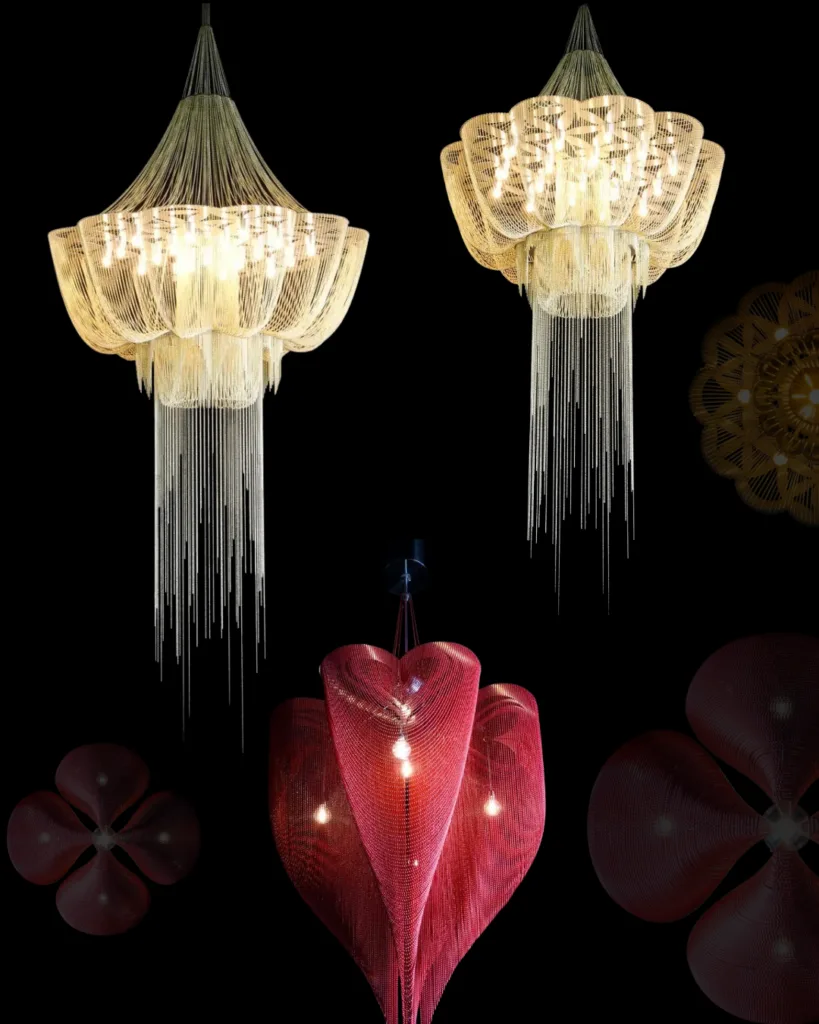
Have you seen a Willowlamp chandelier you love, but need it in a different size, length or finish? Perhaps you’re looking for a larger version for a double-volume entrance, a shorter chandelier above a dining table, or a particular metal finish to complement your interior.
At Willowlamp, you can choose from our existing lighting collections, customise an established design or commission something entirely new.
Our Cape Town studio works with private clients, architects and interior designers to develop chandeliers for individual spaces.
Here’s a closer look at how that works, including a custom SecretLove Clover currently being made in our studio.
An Existing Design Can Be The Starting Point of Your Bespoke Chandelier.
One of the pieces currently in production is a large, custom SecretLove Clover chandelier.
The original SecretLove Clover belongs to our Love Clover collection, designed by Willowlamp founder Adam Hoets. The collection takes its inspiration from the four-leaf clover, with curved, heart-shaped forms created using our signature metal ball chains.
The collection includes several designs, each with different proportions:
• Baby Love Clover: A small suspended pendant, 250 mm wide.
• Lucky Love Clover: Another 250 mm pendant, with a longer shade.
• SecretLove Clover: A suspended pendant with a 400 mm-wide shade.
• BigLove Clover: A larger design with a standard suspended diameter of 700 mm, also available as a wall sconce.
The BigLove Clover belongs to our Complex Classics collection, while the smaller Love Clover designs form part of Simple Classics.
But these standard models are not necessarily the limit of what’s possible.
The custom 1300mm SecretLove Clover currently being made in our studio demonstrates how an existing design can be developed for a client’s specific requirements.
It’s an example of how a client can start with a design they already love, without necessarily having to choose the standard version.
Explore the Love Clover collection and the BigLove Clover designs to see the different models.
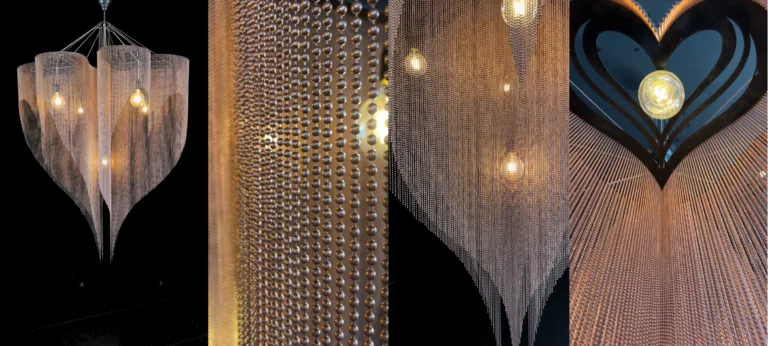
What Can You Customise On A Willowlamp Chandelier?
There are several ways to adapt a Willowlamp, depending on the design and your project requirements.
1. Adjusting the suspension and overall drop
Sometimes, the chandelier itself is the right size, but the ceiling height or installation position requires an adjustment. This can often be addressed by tailoring the suspension system or overall drop.
It’s particularly relevant for spaces such as dining rooms, entrance halls and staircases, where the installation height affects how the chandelier is experienced.
2. Changing the size or proportions
If you love an existing design but need a wider, longer or differently proportioned version, our studio can explore modifying the original model.
This is a more involved process than simply changing the suspension.
A different diameter or scale may require new technical drawings and adjustments to the original framework.
The result is a chandelier based on a recognisable Willowlamp design, but developed for a particular project.
3. Choosing the metal chain finish
The finish can make a substantial difference to how a chandelier looks within an interior.
Our standard metallic chain finishes include Chrome, Smoke, Brass and Copper. We also work with Black Oxide, Rust Oxide, selected colours and mixed finishes.
Depending on the design, finishes can be combined to create stripes, colour blocking or gradual transitions between colours.
For architects and interior designers, choosing the finish is an opportunity to consider the chandelier alongside the other materials specified for the room.
The installation environment also matters. Some finishes are not recommended for humid or coastal conditions, so it’s worth discussing the location with our team.
You can see the available options and technical considerations in our Materials, Finishes and Customisation Guide.
4. Commissioning a completely original chandelier
Sometimes an existing design isn’t the right starting point.
For these projects, we offer a bespoke design service.
Our team can work from a client’s brief or collaborate with architects and interior designers to develop an original piece.
This can range from an individual chandelier to a large installation designed around an architectural space.
Explore examples in our Custom Lighting Projects portfolio.
Inside Our Cape Town Studio: How A Willowlamp Is Made
Every Willowlamp chandelier is assembled by hand at our Cape Town studio.
Adam Hoets, who founded Willowlamp in 2005, developed a patented notch system that allows individual strands of metal ball chain to be attached to specially designed, laser-cut metal frameworks.
The position and length of the chains determine how the finished piece takes shape. By varying their arrangement, our studio can create the curved forms, layered patterns and intricate designs found throughout the collections.
In the workshop, you can see this process happening one chain at a time. The team works with the individual components, carefully assembling the chains onto the frameworks until the intended design takes form.
It’s a process that combines technical design, precision manufacturing and hand assembly.
And it’s one of the reasons the same construction method can be used across such a wide range of designs, from smaller pendants to large architectural installations.
Why We Encourage Clients To Involve Us Early
Choosing the right chandelier is beyond simply selecting the design you like. The dimensions and layout of the space need to be considered. For example, a chandelier suspended above a dining table has very different requirements from one installed in a double-volume entrance, where it may be viewed from several levels.
Ceiling height, proportions, suspension, finishes and the surrounding architecture can all influence the final specifications.
Adam’s background in architecture is central to Willowlamp’s approach to custom design.
Our studio works with architects, interior designers and private clients to explore the design options and technical requirements before a piece goes into production.
For professional projects, we can also provide technical drawings, finish guidance and design consultation support.
If you’re already working with an architect or interior designer, they are welcome to involve our team during the planning stages.
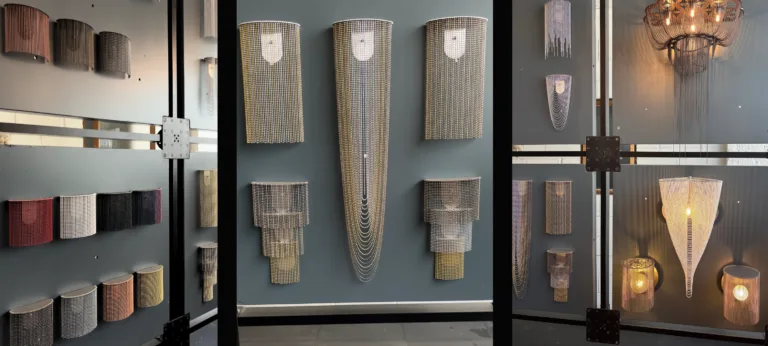
How Do You Begin A Custom Chandelier Commission?
You don’t need to have every detail worked out before contacting us.
If you already have a Willowlamp design in mind, that’s a useful starting point.
When you enquire, it helps to share:
• The chandelier or collection you’re interested in.
• The approximate dimensions and ceiling height of your space.
• Your project location.
• Any preferred finishes or materials.
• Your anticipated installation date.
• Photographs, drawings or references that help explain the project.
Our team can then discuss the available options and prepare a quotation based on your requirements.
Custom commissions may involve additional design development, technical drawings and approvals before production begins.
Production timelines depend on the design, its complexity and the studio’s schedule, so we recommend starting the conversation early.
Planning a lighting project for 2027?
Our production schedule for 2026 is nearly full, and we’re welcoming enquiries for commissions planned for 2027.
If you’re designing a private residence, planning a renovation or working on an upcoming hospitality or commercial project, now is a good time to discuss your lighting requirements.
Even if installation is only planned for later in 2027, starting early allows time to explore the design, confirm specifications and plan for production.
You can browse our existing collections, explore our custom projects or contact the Willowlamp studio to discuss your plans.
Have a particular chandelier or project in mind? Send us the details, and our team will help you explore the options.
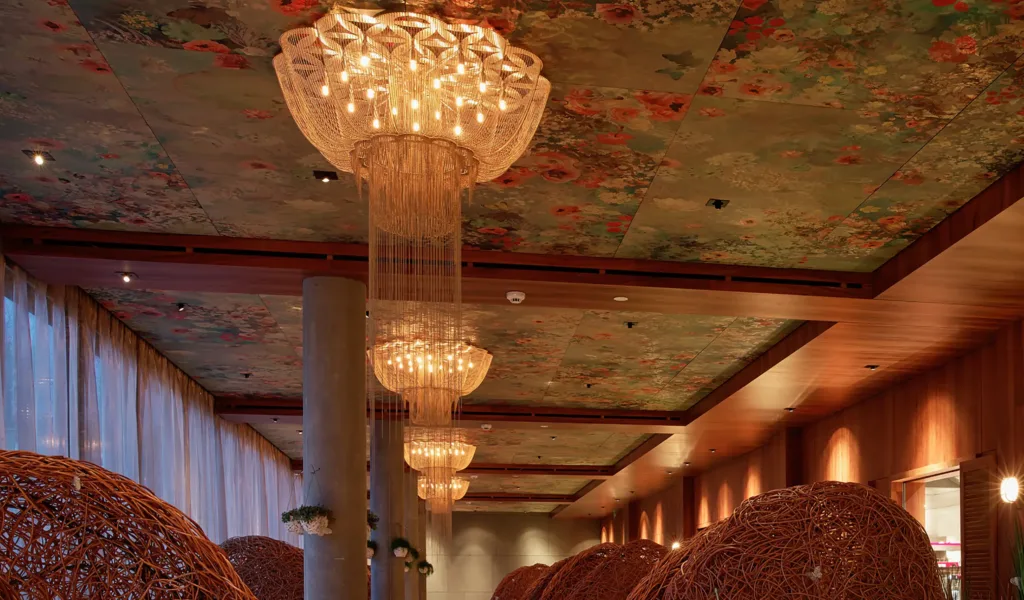
For architects, interior designers, and hospitality owners considering large-scale ceiling installations: this is what becomes possible when ambition is treated as an engineering challenge rather than a creative limitation. The scale doesn’t deter us. The complexity doesn’t slow us down. The logistics don’t compromise the vision.
We build systems that make the impossible achievable, in a way that lets the art speak entirely for itself. Get in touch to talk through what’s possible for your next project.